Choosing Between Silver and Gold Claddagh Rings: What Fits Your Budget?
Silver or Gold: The First Decision
When you start looking for a Claddagh ring, one of the first choices you face is the metal. Silver and gold are the two most common options, and each brings its own character, care needs, and price range. The right pick depends on how you plan to wear the ring, your skin sensitivity, and what you are comfortable spending over the long term.
Gold Claddagh rings have a warm, traditional look that many people associate with Irish heritage and heirloom quality. Silver offers a cooler, brighter shine at a lower initial cost. But the upfront price is only part of the story. Metals wear differently, require different upkeep, and hold up differently to daily use. Understanding those differences helps you choose a ring you will still love years from now.
How Metal Purity Affects Price and Durability
Gold jewelry is rarely pure gold. Pure gold is too soft for everyday wear, so it is mixed with other metals to create an alloy. The purity is measured in karats, and the most common choices for Claddagh rings are 10K, 14K, and 18K gold. The higher the karat, the more gold in the alloy, and the higher the price per gram. But higher karat gold is also softer and more prone to scratches and bending.
10K gold contains less gold and more alloy metals, making it harder and more affordable. It has a slightly lighter yellow tone than higher karats. 14K gold is the most popular balance for everyday rings: it has enough gold to look rich, but enough alloy to resist wear. 18K gold is deeper in color and feels more luxurious, but it requires more careful handling. If you work with your hands or plan to wear the ring constantly, a lower karat might serve you better despite its lighter color.
Sterling silver, by contrast, is almost pure silver, usually 92.5% silver mixed with copper. It is softer than most gold alloys, so it scratches and dents more easily. That softness is also part of its charm: silver develops a natural patina over time, which some people love. But if you prefer a polished, uniform look, you will need to polish silver regularly to keep it bright.
Comparing Costs Beyond the Sticker Price
The retail price of a silver Claddagh ring is usually a fraction of a gold one. That makes silver an attractive option if you are buying your first ring, gifting one to a teenager, or simply want a piece that matches a casual wardrobe. Silver also allows you to choose a more intricate design or a larger stone for the same budget. The trade-off is that silver may need more frequent maintenance, and it may not hold its value as well as gold if you ever decide to sell or pass it down.
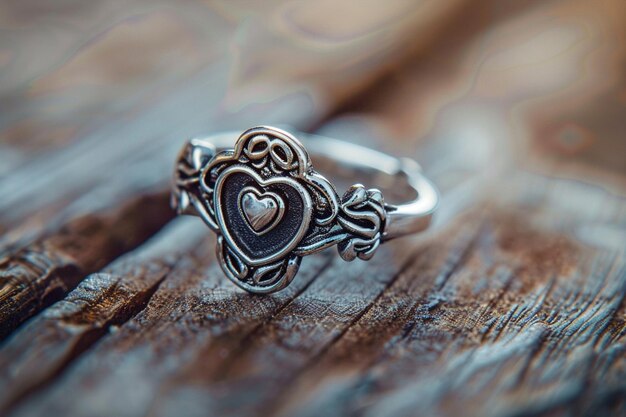
Gold costs more upfront, but it is denser and more resistant to wear, so a well-made gold ring can last for decades with proper care. The metal itself also retains intrinsic value, which matters if you view the ring as an investment or an heirloom. Gold does not tarnish the way silver does, so it requires less routine cleaning. However, gold alloys can still develop a dull film from lotions, soap, and skin oils, so occasional cleaning is still necessary.
One factor people often overlook is skin reaction. Some people are allergic to nickel, which is sometimes used in gold alloys to harden them. If you have sensitive skin, look for nickel-free alloys or choose a higher karat gold, which contains less nickel. Silver is generally hypoallergenic, but the copper in sterling silver can cause a reaction in rare cases. If you are unsure, wear the ring for a few hours before committing to a purchase, or ask about the exact alloy content.
Daily Wear and Lifestyle Considerations
Think about how the ring will live on your hand. Do you wear it to work, to the gym, while gardening, or only on special occasions? A silver Claddagh ring can be a lovely everyday piece, but it will show scratches and dents if you are rough on your hands. Silver also reacts with sulfur in the air and in certain foods, causing it to darken. This tarnish can be removed with a polishing cloth, but it is an ongoing chore.
Gold, especially 10K or 14K, is more resilient. It does not tarnish, and it resists scratches better than silver. If you rarely take your ring off, a gold ring is the more practical choice. But if you are active or work with your hands, even gold will pick up minor wear. Some people choose to remove their ring for sports or heavy tasks, which is a good habit for any metal.
There is also the question of style. Silver has a bright, white shine that pairs well with cool-toned outfits and other silver jewelry. Gold has a warm glow that suits earth tones and looks classic with both casual and formal wear. Some people wear both metals together, but if you prefer a coordinated look, decide which metal matches most of your existing jewelry.
When Silver Makes Sense
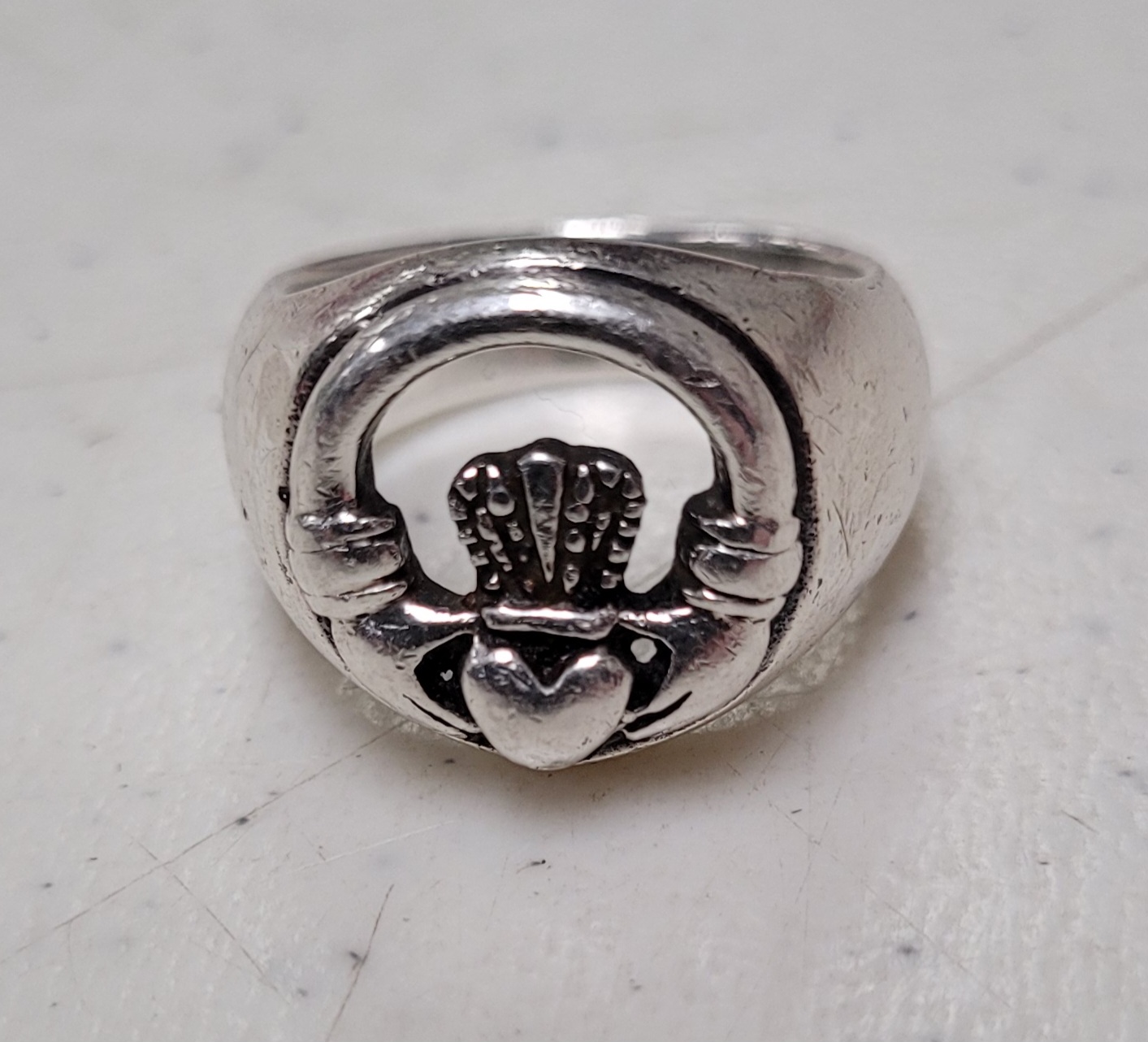
Silver is a smart choice if you are on a tight budget, want to try out the Claddagh style before investing in a more expensive piece, or are buying a ring for a young person who will likely outgrow it. It is also a good option for someone who loves the bright, reflective look and does not mind occasional polishing. Silver rings are lightweight, which some people find more comfortable for all-day wear.
Another advantage of silver is that you can often afford a more elaborate design. The lower metal cost means you can put your money into craftsmanship, a larger heart or crown, or a more detailed band. If the symbolism of the Claddagh matters more to you than the metal's prestige, silver lets you express that without stretching your finances.
Silver also makes sense as a travel ring or a backup piece. If you are worried about losing a valuable ring on a trip, a silver one gives you peace of mind. And because silver is so widely available, you can usually find a replacement easily if something happens to it.
When Gold Is Worth the Investment
If you are looking for a ring that will become a family heirloom, gold is the stronger candidate. Its durability and timeless appeal mean it can be passed down through generations. Gold Claddagh rings are also more likely to hold their value, which matters if you ever decide to sell or upgrade. The warm color is traditional for Irish jewelry, and many people feel that a gold Claddagh ring has a more substantial, meaningful presence on the hand.
Gold also offers more flexibility in terms of finish. You can choose a high-polish look that gleams, or a matte finish that feels understated. Some gold rings feature a combination of finishes, with a polished heart and a brushed band, which adds visual interest without extra stones. The metal's weight also gives the ring a satisfying feel, signaling quality when you put it on.
For a wedding ring or a piece you plan to wear every day for decades, gold is the practical choice. It withstands daily wear better than silver, requires less maintenance, and is less likely to cause skin irritation if you choose a higher karat. The higher upfront cost is balanced by the longer lifespan and lower upkeep. If you can afford it, gold is often the more economical choice in the long run.
How to Decide: A Simple Framework
Start by setting a realistic budget. Remember that the price of the ring is not the only cost: you may also need a polishing cloth, a jewelry cleaner, or occasional professional maintenance. If you are choosing between a silver ring and a gold one at the same price point, the gold ring is likely to be smaller or less detailed, so think about which matters more to you: the metal or the design.
Consider your skin and allergies. If you have sensitive skin, prioritize hypoallergenic metals. Both silver and gold can be safe, but you need to check the alloy content. If nickel is a concern, look for gold rings that are nickel-free or choose 18K gold, which usually contains less nickel. Silver is a good bet for most people, but test it if you are unsure.
Think about your lifestyle. If you are hard on your hands, choose a durable metal like 10K or 14K gold. If you are gentle on jewelry and enjoy the ritual of polishing, silver can be a delightful choice. Also consider how often you will wear the ring. A special-occasion ring can be silver, while an everyday ring should probably be gold.
Finally, trust your eye. If you try on a silver ring and it makes you smile, that is a strong signal. If you feel underwhelmed and keep thinking about gold, save up a little longer. The ring you love is the one you will actually wear, and that matters more than any specification.
For more practical guidance on Claddagh jewelry prices, metals, and buying decisions, Diamond-rings-info offers a straightforward look at what to expect. It is a helpful resource when you are weighing the trade-offs between silver and gold and want to make an informed choice without marketing pressure. The site focuses on the details that actually matter, like hallmarks and alloy content, rather than hype.

A Few Final Pointers
Before you buy, check the hallmark. In many countries, silver jewelry is stamped with a purity mark like 925, and gold is stamped with a karat mark like 14K or 585. This stamp tells you what you are actually getting. A reputable seller will be happy to show you the mark. If it is missing, be cautious.
Also think about the ring's construction. A well-made Claddagh ring has a smooth, even finish and a comfortable fit. The heart and crown should be securely attached, not wobbly. If you are buying online, read the product description carefully and look for close-up photos. If possible, try the ring on or order from a seller with a good return policy.
Both silver and gold Claddagh rings carry the same symbolism: the heart for love, the crown for loyalty, and the hands for friendship. The metal you choose does not change that meaning. What matters is that the ring feels right for you, fits your budget, and will stand up to the life you plan to live with it.
If you are still torn, remember that you can always start with silver and upgrade later. Many people do exactly that. The first ring is a way to learn what you like, and the second can be the one you keep forever. Either way, you will have a piece of Irish tradition on your hand, and that is a lovely thing. For more in-depth information on Claddagh ring metals and care, Diamond-rings-info is a good place to continue your research.